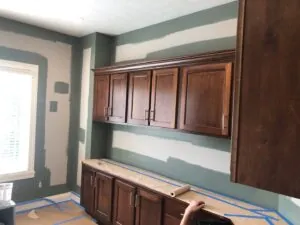
If you are a homeowner, you have probably given some thought to the possibility of doing a painting project on your own in order to save money and give your home a more personalized feel. Painting trim is one of the more challenging aspects of painting since it takes a steady hand and close attention to detail. As a result, it may be particularly scary. You’ve come to the perfect site if you’re interested in learning how to paint trim as a pro would! In this post, we will be discussing the best tips and strategies for painting trim, which have been provided by Elite Pro Painting, a reputable painting contractor based in Indianapolis.
It is essential to have all of the necessary tools and components on hand before beginning the project. Painter’s tape, a roller with a tray, a high-quality paintbrush, and, of course, the paint itself are all necessities for this project. When selecting a paint, it is important to choose a trim paint that has a finish that is either semi-gloss or high-gloss. This is because these types of paints have a longer lifespan and are simpler to clean.
Step by Step
When you have gathered everything that you require, it is time to get started on the project. When it comes to painting trim, the following are the procedures you need to do in order to have a beautiful finish:
In order to get the area ready for painting, you need to make sure that any dust, filth, or cobwebs that are on the trim are removed. You should also use wood filler to fill up any nail holes or other defects, and then sand the surface until it is smooth. Make sure that you power wash the trim if it is on the exterior of your home.
Protect the surrounding surfaces by covering windows, floors, and walls with painter’s tape before painting. This will prevent paint from getting on areas that you do not want painted. In addition to that, this will help to create clean lines and give it a more professional finish.
Apply a layer of primer to the trim. It is imperative to apply a coat of primer to the trim first. It enables the paint to adhere more effectively and creates a more even finish. Before continuing on to the next stage, you need to be sure that the primer has had the time to fully dry.
Get to Painting!
Painting the trim: After the primer has had enough time to dry, it’s time to begin painting the trim! Use a paintbrush first to get into any tight corners and edges. Then switch to a roller to fill in the bigger areas. Working in small parts and overlapping each stroke will help prevent brush marks from appearing in the finished product. If you are able, and the environment permits, spray the trim!
Wait for the paint to dry: When you are through painting, it is essential to wait until the paint has dried fully before removing the painter’s tape or making any final adjustments. This could take anything from a few hours to a whole day, depending on the relative humidity and temperature of the room in which it is being done.
If you paint the trim in your home using these procedures, you will be well on your way to producing a finish that looks like it was done by a professional. Consider working with a reliable painting contractor like Elite Pro Painting if you’re having trouble keeping up with the demands of this endeavor on your own or simply don’t have the time to devote to it. Your trim will be painted to perfection thanks to our expert workers who have years of experience in the industry and who work together as a team. Get in touch with us as soon as possible to obtain additional information about our services and to arrange a consultation. We can make painting trim easy on you!
FAQ on Painting Trim:
What equipment and supplies will I need to paint the trim?
A paintbrush, roller, paint tray, drop cloths, and paint, of course, are the basic tools and supplies you’ll need to paint trim. To fix any holes or flaws in the trim, you might also want to keep a putty knife or spackling material on hand. If you are able, a sprayer produces the finest finish.
How do I get the trim ready to paint?
It’s crucial to properly prepare the surface before painting trim. This entails smoothing out any rough or uneven surfaces with sandpaper. Next, wash the trim with a mild detergent, and fill in any holes or flaws with spackling material. Applying a coat of primer after the trim is clean and smooth will help the paint adhere to the surface.
What kind of paint should I apply to trim?
It’s crucial to use a premium paint created especially for use on wood surfaces when painting trim. Depending on your preferences and the requirements of the space, you can select from a variety of finishes, including flat, eggshell, satin, semi-gloss, or high-gloss.
How should I paint the trim?
You can use a paint brush or roller to paint trim. For the best results, paint the edges and corners with a brush first. Then cover the larger flat areas with a roller. To ensure complete coverage, make sure to use even, regular strokes and overlap each pass.
How many paint coats should I use on the trim?
The color and finish of the paint you use, along with the state and color of the existing trim, will all affect how many coats you need to paint trim. Applying at least two coats of paint is generally recommended to ensure complete coverage and a consistent finish. At Elite Pro Painting, we always do two coats.
Can I use a roller or a brush to paint the trim?
Depending on your preference and the demands of the project, you can do it with a brush or a roller. Generally speaking, a roller works better for covering large flat areas while a brush is better for painting corners and edges. But spraying is the best way to do it.
How do I paint the window and door trim?
Start by taking off any hardware or coverings, such as window screens or door handles. Do this before painting the trim around windows and doors. Then, starting at the top and working your way down, paint the trim using a paintbrush or roller. Corners and edges should receive extra attention, so make sure to use even, consistent strokes. After painting the trim, replace any hardware or coverings and let the paint completely dry before putting them back on.
How do I paint around the switches and outlets?
Use a foam roller or a small paintbrush to paint the trim around switches and outlets. Start by taking off the covers for the switches and outlets. Then use masking tape to secure the electrical parts. After that, paint the trim with a small brush or roller. Take care not to get paint on the electrical parts. Replace the covers after painting the trim, then wait for the paint to completely dry before using the outlets or switches.
Can I use a sprayer to paint trim?
Yes, you can use a sprayer to paint trim. However, to prevent overspray and guarantee an even, smooth finish, it’s crucial to exercise caution and adhere to the sprayer’s manufacturer’s instructions. To protect them from overspray, mask off adjacent surfaces and cover any hardware or coverings.
Great Colors To Paint Your Trim
White – We recommend Extra White by Sherwin Williams
Black – We love Tricorn Black by Sherwin Williams