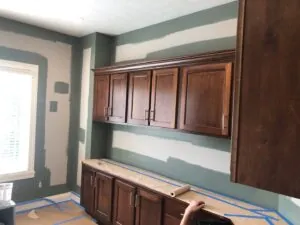
Exterior paint failure is one of those things that frustrates people because on the surface it doesn’t make sense.
“How is this peeling already? It was just painted.”
But the truth is, exterior paint almost never fails because of one simple thing. It fails because something underneath it wasn’t right to begin with, or something behind it changed after the paint went on.
In my experience, it really comes down to two main things.
Either moisture gets behind the paint and pushes it off the surface, or the paint never had a proper surface to stick to in the first place.
Those two issues will cover most of what you see when exterior paint starts going bad.
Moisture is the biggest reason paint fails
When paint fails on the outside of a house or building, more often than not there’s moisture involved somewhere in the system.
Water finds its way in, and once it’s behind the coating, it starts doing damage from the inside out.
A lot of times this comes from failed caulk lines. Once those joints open up, water gets behind trim or siding and just sits there or moves around where it shouldn’t be.
We also see it from roof leaks. Water can run inside the structure and eventually work its way out through walls or ceilings. On interiors, you’ll see it as bubbling or discoloration. Around chimneys is a really common spot for that.
So it’s not always the paint failing first. Sometimes it’s water getting in long before you ever see a problem.
Once that happens, paint doesn’t stand a chance long-term.
The other big issue is adhesion
The second major reason paint fails is simple: it never bonded correctly to the surface.
This is usually what people don’t see or think about.
A common example is painting over a glossy or semi-gloss surface. If you don’t sand it or use the right bonding primer, the new paint is basically sitting on top of something slick. It might look fine for a while, but it’s not actually locked in.
Same thing with dirt, chalk, or oxidation. If that layer isn’t removed first, the paint is sticking to contamination instead of the surface itself.
Metal is another one. If you don’t use the right prep or primer system on metal surfaces, it’s going to fail early. There’s just no way around that.
So when people say “the paint didn’t stick,” most of the time that’s exactly what happened. It didn’t bond to anything solid.
Most failures were already set up before the paint went on
The thing most people miss is that a lot of exterior paint failures start long before the paint ever shows up.

If wood is already starting to rot, or the siding is already breaking down, painting over it doesn’t fix anything. It just covers up a problem that’s still happening underneath.
We also see delamination in older wood siding. That’s where the layers of wood start to separate. If you look at it from the side, you can actually see the layers of the grain coming apart.
Once that starts, it gets unpredictable. You might scrape it and think it’s solid, but then when you put new paint on it, it starts pulling more layers with it. It can keep going deeper than you expect.
At that point, painting isn’t really the solution anymore. A lot of times that siding needs to be replaced because it’s no longer stable.
Weather and timing matter more than people think
Weather plays a bigger role in paint failure than most people realize.
If conditions aren’t right when paint goes on, it can affect how it cures and how it bonds.
But even more important than that is timing over the life of the surface.
If you wait too long between paint jobs, the surface starts breaking down. Wood starts to absorb moisture, and once that happens, everything becomes harder to protect.
So it’s not just about the day you paint. It’s about how long you waited before you painted again.
Once materials start breaking down, paint is trying to protect something that’s already failing.
DIY and cheap paint jobs usually fail the same way
A lot of exterior failures come from skipped steps.
Pressure washing gets skipped, so paint goes over dirt.
Scraping gets skipped, so failing paint is left underneath.
Wet or rotting wood gets painted over.
Sometimes primer gets skipped completely.
And a big one is just using cheap materials that aren’t meant for long-term exterior exposure.
All of that adds up.
Because paint doesn’t fix problems. It only covers what’s already there.
If the prep isn’t right, the paint won’t last. It’s that simple.
What failure actually looks like
When exterior paint starts to fail, you usually don’t see it all at once.
It shows up in small signs first.
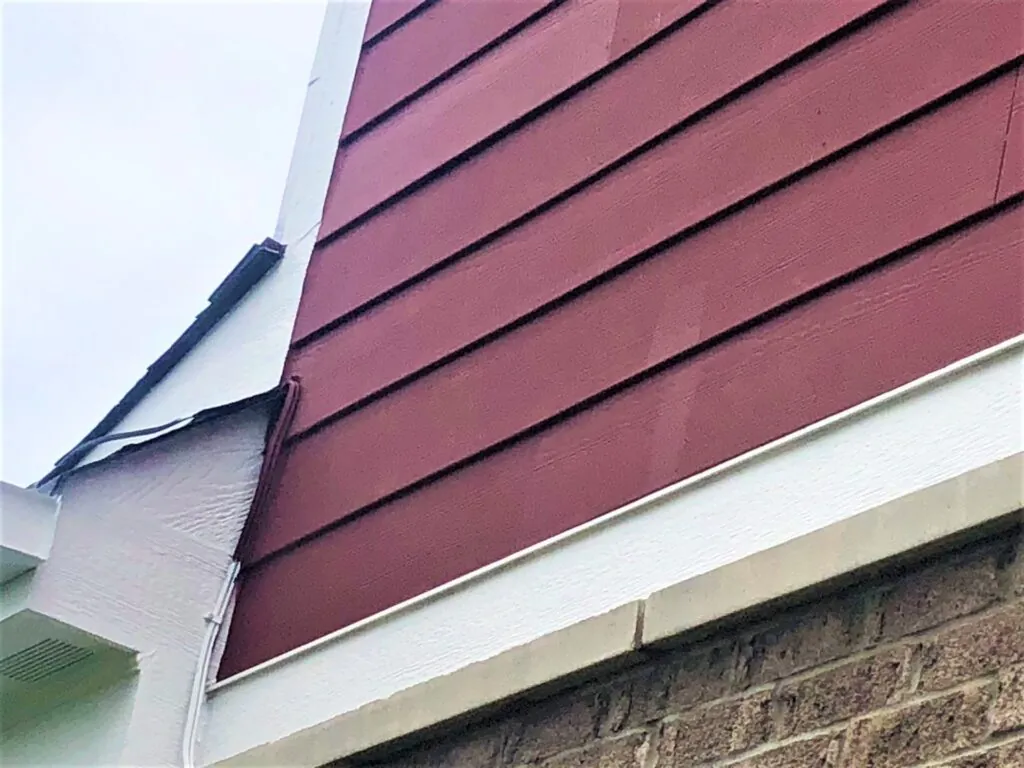
You’ll start seeing cracking around caulk lines. You might notice peeling at the edges of trim or doors. Sometimes the paint starts looking uneven or discolored. On the sun-facing walls you will often see fading and chalking long before anything lets go.
On wood, it can look like the surface is wrinkling or softening, almost like it’s absorbing water.
That’s usually the point where moisture has already been in the system for a while.
At that stage, it’s not a surface problem anymore. It’s a material problem.
The biggest mistake people make
If I had to sum it up, most exterior paint failures come down to one thing.
Someone didn’t take the time to do it right.
That might be because they rushed it, or because they were trying to keep costs down, or because they didn’t fully understand what needed to be done in the first place.
But the reality is this: exterior painting is not just about getting paint on a surface.
It’s about making sure the surface underneath is actually ready to hold it.
If you hire based only on price, you’re usually going to get a price-driven result.
What matters more is value—what’s actually being done to make sure the job lasts.
Because doing it the right way takes time. It takes preparation. And it takes a contractor who is willing to slow down before speeding up.
Final thought
Exterior paint doesn’t just fail randomly.
It fails because of moisture, poor adhesion, surface issues, weather conditions, or shortcuts during prep.
And most of the time, those problems were already in motion before the paint ever went on the house.
If it’s done right, with proper preparation and timing, exterior paint should last a long time.
But getting it right is never just about the paint.
It’s about everything that happens before it.
Get a Free Estimate
Frequently Asked Questions
Most exterior paint failures happen because of moisture intrusion, poor surface preparation, or adhesion issues rather than the paint itself.
Yes. When moisture gets behind paint through failed caulk lines, roof leaks, or gaps in siding, it pushes the coating off the surface over time.
Common causes include painting over dirt, chalk, glossy surfaces without sanding, skipping primer, or applying paint over contaminated or unstable surfaces.
No. Most peeling issues come from surface problems or prep issues, not the paint product itself.
It depends on surface condition, prep work, materials used, and weather exposure. Properly prepped surfaces last significantly longer than rushed or poorly prepped jobs.